
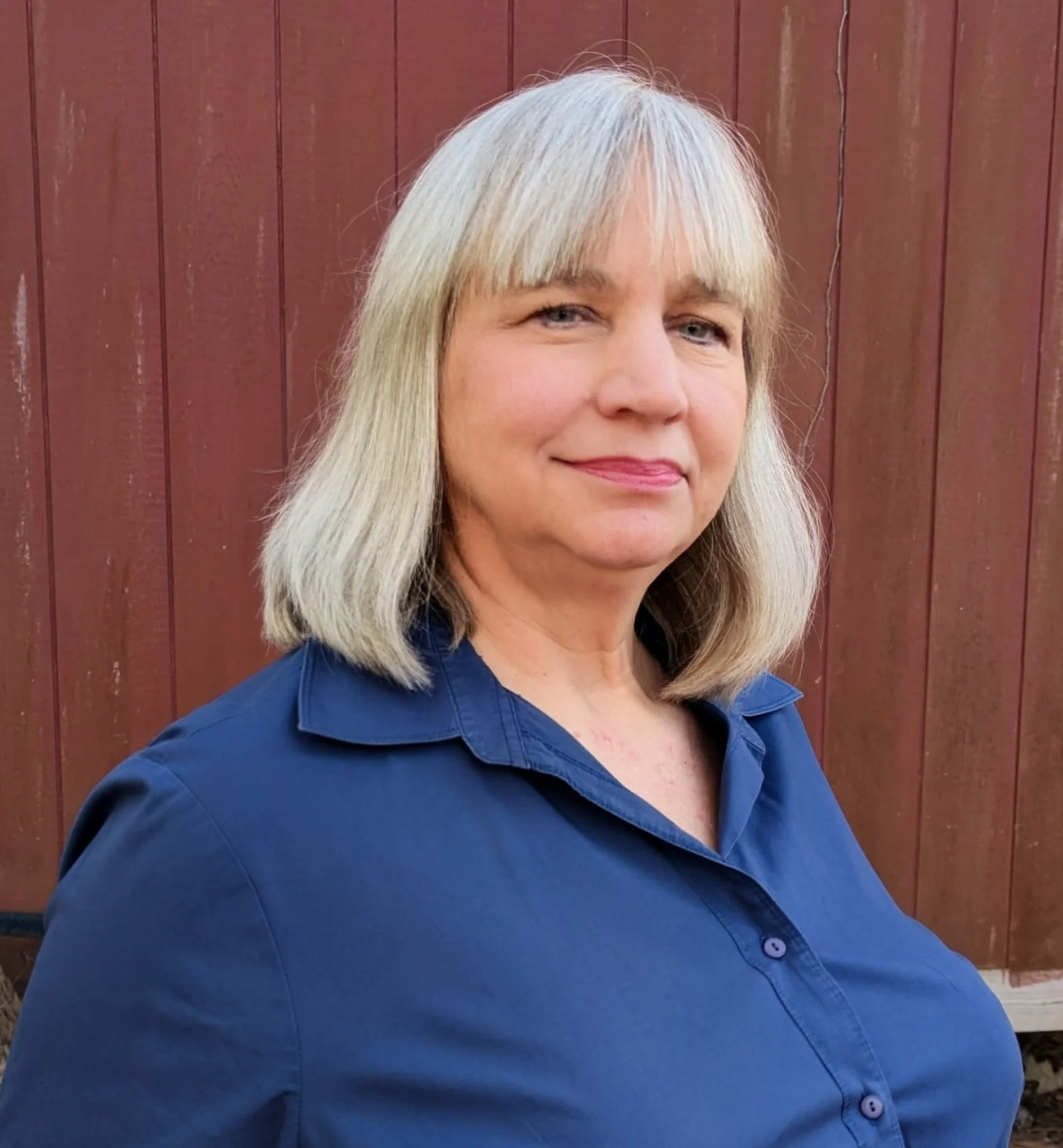
Meet Shelley Tatum
I am a retired educator and a proud East Texan. I was raised in Lufkin by my mother, also a teacher, and my father, a civil servant. I graduated from Lufkin High School and earned a Bachelor of Arts degree in Communications and English from Stephen F. Austin State University. I taught in Texas public schools for 35 years, including 2 years in Huntington ISD and 19 years in Lufkin ISD. I know from firsthand experience that public schools in this state are underfunded and overregulated, and I will fight to fix both of these problems. Dedication to this community has guided my family’s values for decades—my roots in this region run deep. I married my high school sweetheart, Scott, and both of my daughters graduated from Lufkin High School. This is my first time as a candidate for public office, but it is only a new chapter in working for my community.
I am running for State Representative in District 9 because I understand the current threat to our children's education. First, I will vote to increase the per-pupil allotment provided by the state to local school districts. Second, I will work to reduce the often unfunded and stifling regulations that rob classrooms of creativity, passion, and engagement.
Deep East Texas faces many challenges beyond public education. Access to affordable health care, the protection and fair use of natural resources, and a lack of job opportunities cause our cities and towns to fail. Good schools, affordable living, and a beautiful, productive environment are what our towns need to thrive. It’s time for a representative who addresses these fundamental issues before it is too late. We’re truly all in this together.

Issues
-
Republicans in Texas recently achieved their goal of instituting a school voucher program that provides one billion in seed funding for a program that will provide $10,000 per student to facilitate enrollment in private schools. Meanwhile the per pupil allotment for students in public schools is $6160. The difference of almost $4000 is an insult to our kids and our communities. The Texas Tribune reports that Texas has hired a technology and finance firm called Odyssey to create and manage the voucher program. Texas will pay them about 50 million dollars. None of it will benefit kids in district 9. According to 2024 numbers from the Texas Legislative Council less than 1% of children in district 9 attend private schools. Meanwhile public schools, the ones who educate the other 99%, close campuses, reduce staff, cut programs, and run budget deficits. Public schools are the lifeblood of the small cities, towns and communities of East Texas. Public school districts are often among the largest single employers in small communities, and our communities bond through shared pride in our children, their progress and their futures.
-
The summer of 2025 brought new threats to East Texas groundwater and current law is not sufficient to protect fair access to and use of this resource. Under current law, the rule of capture prevails. Basically, any land owner is allowed to pump as much water as they can from under their land to do with as they please. The rule of capture leaves East Texas communities and businesses vulnerable to loss of access to water as wealthy private interests buy up large areas of land in order to pump water from the Carrizo-Wilcox Aquifer to sell to the highest bidder. State Representative Trent Ashby (Lufkin) points out that recent proposals to investigate the amount of water available and drill wells will be detrimental to East Texas. He stated, “It’s not for our cities, it’s not for our schools, our industries or our landowners. Let me be clear, this project sets a dangerous precedent.” Legislation passed by the Texas House in its final special session to pause both the study and potential extraction was amended into uselessness by the senate and failed to become law. New legislation to protect East Texas groundwater will be necessary to prevent price increases, future scarcity, land subsidence, and economic instability.
-
Unless they live in Lufkin or Livingston, most people in House District 9 must travel to access basic health care such as emergency rooms and primary care physicians. Pregnant women in particular face a lack of available care during pregnancy due to an absence of OBGYN’s outside these two larger population centers. Access to local, easily accessible health care will only lessen with upcoming cuts to Medicaid that will make it impossible for small hospitals and local practitioners to continue to provide care to small, rural communities. The federal government's percentage of health care spending in Texas is about 60%. Local sources make up the remaining 40%. No health care funding comes directly from state sources. This system of funding is vulnerable to changes at the federal level and population and economic decline in rural areas. The state needs to allocate funds from state revenues to take the pressure off limited local resources and to make up for short falls in federal funding. Texas can and must take action to support rural health care before more hospitals close and more doctors are forced to move to larger cities in order to make a living.
-
According to data from the Office of the Comptroller, San Augustine, Trinity and Houston counties, three of the six counties that make up district 9, fall at or below 50% broadband internet coverage. Access to fast, reliable internet is absolutely vital to life in the 21st century. Without this access, rural Texans struggle to navigate an increasingly online world. None of the six counties in district 9 can boast more than 90% coverage. Although Texas has established and funded a program to expand broadband access, there is more work to be done. Funding must be maintained and increased. Standards must be adopted to ensure that public funding is spent appropriately. East Texas doesn’t have as severe a lack of broadband as other parts of the state, but East Texans need and deserve reliable, affordable access.